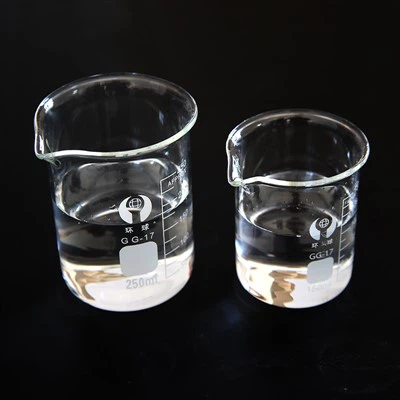
Vinyl Pivalate (CAS 3377-92-2), also known as Vinyl trimethylacetate, is a specialized vinyl ester monomer. Its chemical formula is C7H12O2 with a molecular weight of 128.17 g/mol. It is a clear, colorless liquid characterized by its highly branched pivalate group, which imparts unique properties to its polymers.
Product Parameter (Specification)
|
Specification |
Standard Value |
|
Purity |
>99.0% (GC) |
|
Appearance |
Colorless to Almost colorless clear liquid |
|
Inhibitor |
Stabilized with Hydroquinone (HQ), typically 5-30 ppm |
|
Molecular Formula |
C7H12O2 |
|
Molecular Weight |
128.17 g/mol |
|
Boiling Point |
110-112 °C (lit.) |
|
Density |
0.866 g/mL at 25 °C (lit.) |
|
Refractive Index |
n20/D 1.405 (lit.) |
|
Flash Point |
15 °C (Closed Cup) |
Product Feature and Application
Features
● High Reactivity: The vinyl group allows for easy polymerization and copolymerization.
● Steric Hindrance: The bulky pivalate group provides excellent resistance to hydrolysis, UV light, and heat in the final polymer.
● Stabilized: Supplied with an inhibitor (HQ) to prevent unwanted polymerization during storage.

Applications
● Specialty Polymers: Used as a monomer in emulsion polymerization to produce high-performance adhesives, coatings, and sealants.
● Copolymerization: Copolymerized with vinyl acetate or ethylene to create polymers with improved hydrophobicity and durability.
● Biomedical Research: Employed in the synthesis of polyvinyl alcohol (PVA) with specific tacticity for drug delivery systems and embolic agents.
● Chemical Intermediate: Utilized in organic synthesis and the production of fine chemicals.
Production Details
Vinyl Pivalate is typically produced via a transvinylation reaction.
This process involves reacting pivalic acid with vinyl acetate in the presence of a catalyst (e.g., ruthenium complex) under controlled temperature and pressure.
The crude product is then purified via vacuum distillation to achieve high purity levels (>99%) while carefully controlling conditions to prevent re-equilibration back to the starting materials.
Product Qualification
The product is manufactured and tested to meet high purity standards. Standard qualification includes:
- Purity Analysis: Verified by Gas Chromatography (GC) to be >99.0%.
- Physical Testing: Conforms to specifications for appearance, refractive index, and density.
- Certificate of Analysis (COA): A COA is available upon request, detailing the specific lot's test results.


Deliver, Shipping and Serving
- Classification: Classified as a hazardous material for transport.
- UN Number: UN3272
- Hazard Class: 3 (Flammable Liquid)
- Packing Group: II
- Packaging: Available in various packaging sizes, including 25mL, 100mL, 250mL, and 500mL glass bottles, as well as 1L units.
- Storage: Recommended to store in a cool, dark place (<15°C) away from heat, sparks, and open flames. Keep container tightly closed.


FAQ
Q: Why is Vinyl Pivalate stabilized with Hydroquinone (HQ)?
A: HQ is added as an inhibitor to prevent premature free-radical polymerization during storage and transport, ensuring product stability and shelf life.
Q: What is the main advantage of using Vinyl Pivalate in polymers?
A: Its primary advantage is the exceptional resistance to hydrolysis, weathering, and heat it provides to copolymers, thanks to the steric hindrance of the tertiary carbon group (pivalate).
Q: Is this product suitable for pharmaceutical formulations?
A: Vinyl Pivalate is intended for use as an industrial monomer and for research and development. It is not suitable for human or veterinary use without further processing and appropriate approvals.
Hot Tags: vinyl pivalate, China vinyl pivalate manufacturers, factory, Vinyl Benzoate, Vinyl Pivalate, Glycidyl Neodecanoate, Chloromethyl Pivalate, T Butyl Pivalate, Vinyl Neodecanoate